School-based ABA and special education are not the same.
A school district has responsibilities under education law, and the IEP team makes educational decisions. A private ABA provider does not replace those responsibilities or control the child’s educational program.
When a school permits outside clinical services, clear roles and communication are important.
What goals may be practiced at school?
Depending on the child’s care plan, goals may relate to communication, transitions, classroom participation, flexibility, peer interaction, requesting help or using a learned strategy in a new setting.
Why collaboration matters
Families, educators and clinicians may notice different strengths and challenges. Sharing relevant observations can help everyone understand when a skill is working and where additional support may be needed.
Collaboration should respect privacy, consent, school policies and the distinct role of each professional.
Questions parents can ask
- What permissions are required for an outside provider?
- How will the clinical team communicate with school staff?
- How do the ABA goals relate to the child’s daily school participation?
- How will the team avoid disrupting instruction?
- How will progress be shared with the family?
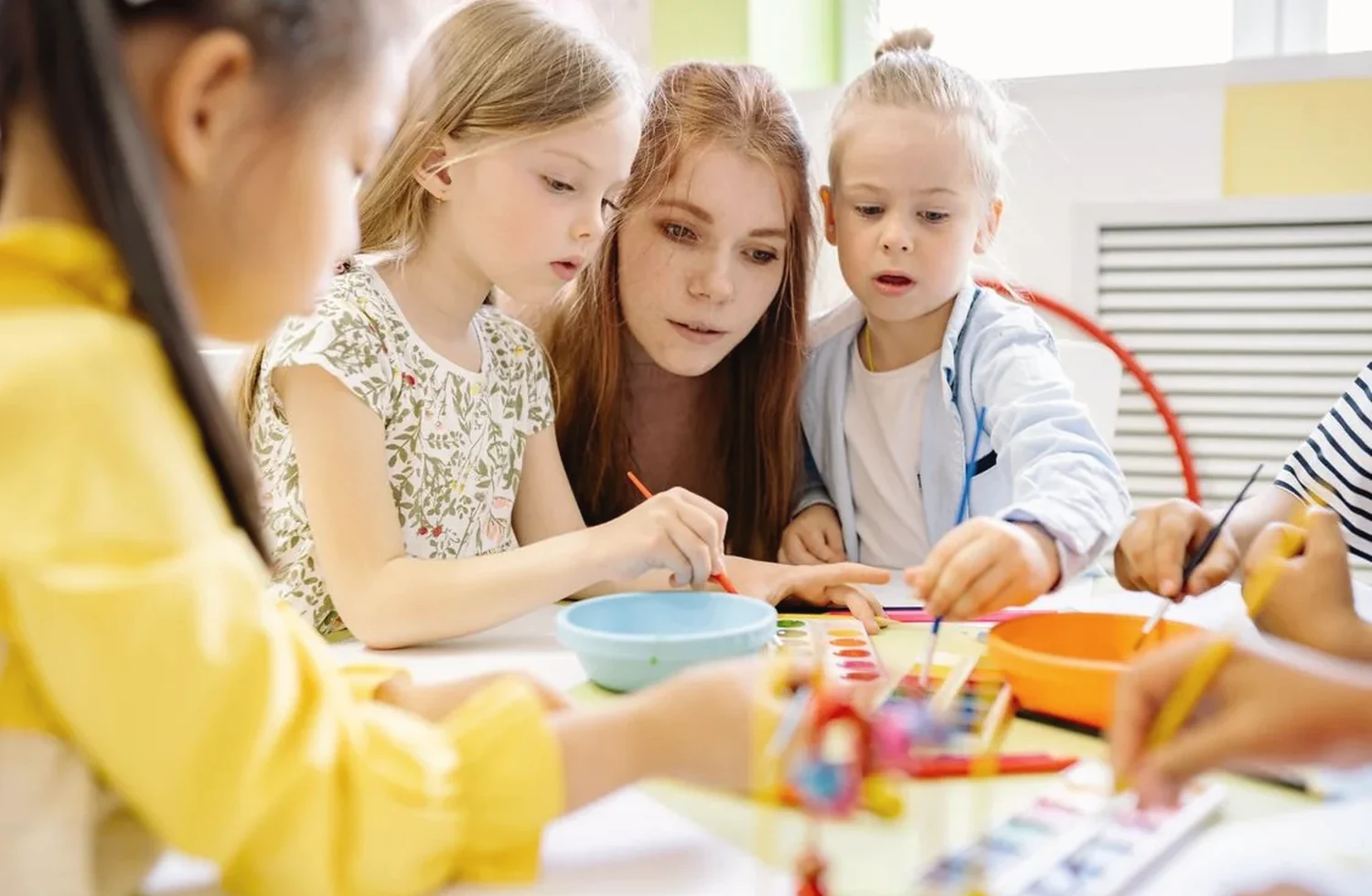
Activities can be natural teaching contexts.
Art, music, physical activity, group learning and other school routines may create useful opportunities when they fit the child’s goals and the school permits clinical participation.
Trusted resources
This resource is general information and is not medical advice or a substitute for evaluation by a qualified professional.