
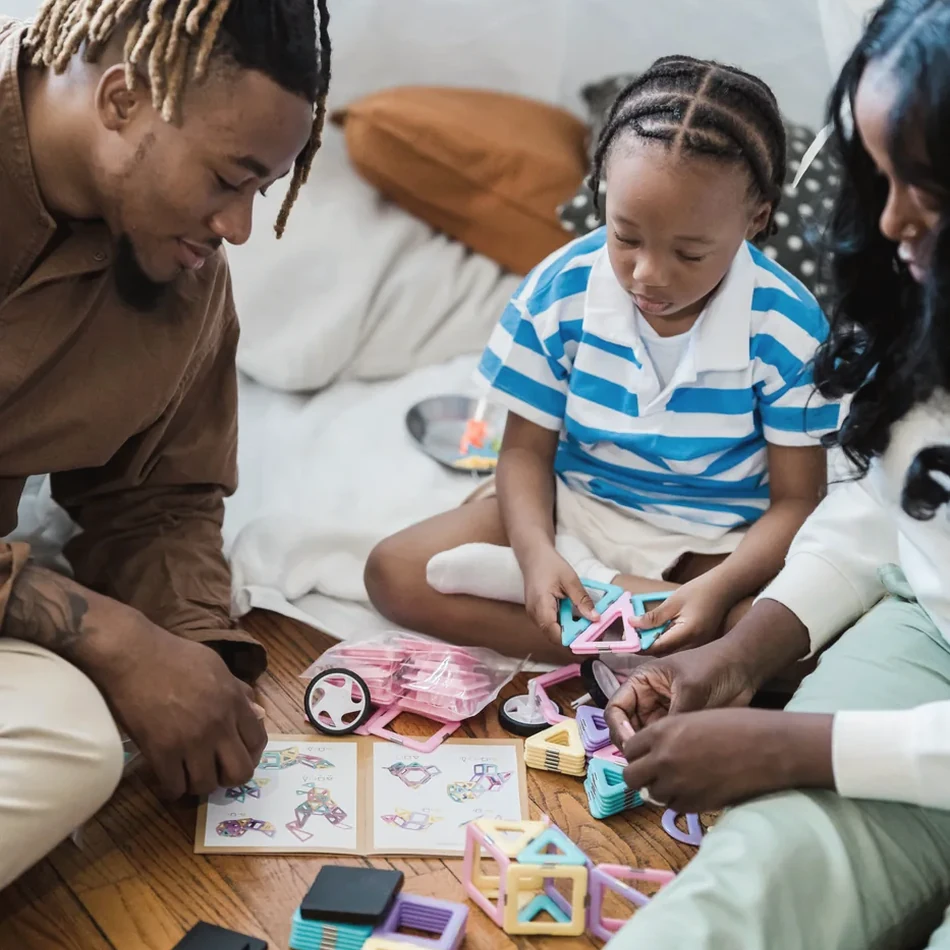
Families help identify meaningful priorities.
Caregivers can explain which routines are difficult, which skills would make daily life easier and what progress would be most valuable for the child and household.
Training should be practical.
Parent training can include explanations, modeling, guided practice and feedback connected to real situations such as play, meals, transitions, self-care and community outings.
Consistency matters more than perfection.
Families do not need to deliver a clinical program all day. The goal is to understand a few useful strategies and apply them in ways that are realistic for the household.
Caregivers provide important feedback.
What works during a session may need adjustment in daily life. Family observations help the team understand barriers, motivation and whether skills are generalizing.
Collaboration can connect settings.
When appropriate permissions are in place, shared strategies can help children experience greater consistency across home, school and community environments.
It is a partnership intended to give caregivers clearer tools, support and confidence within everyday routines.
Trusted resources
This resource is general information and is not medical advice or a substitute for evaluation by a qualified professional.